Preparing Barracuda for an International Seafood Market
Exporting frozen seafood involves more than sourcing fish and arranging international transportation. Each stage, from product handling and packaging to labeling and shipment preparation, contributes to the condition in which the product reaches the buyer.
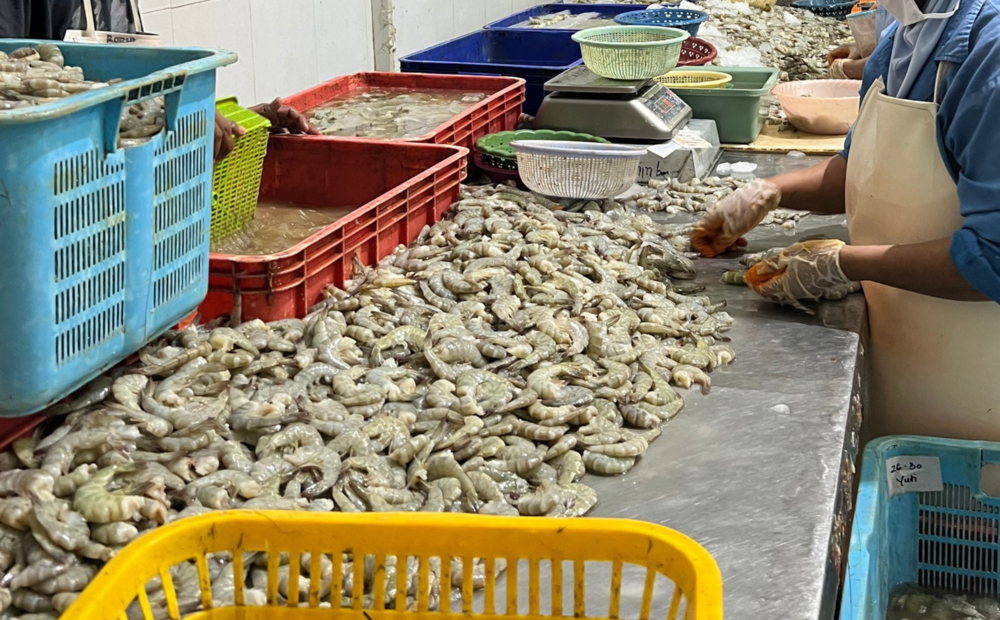
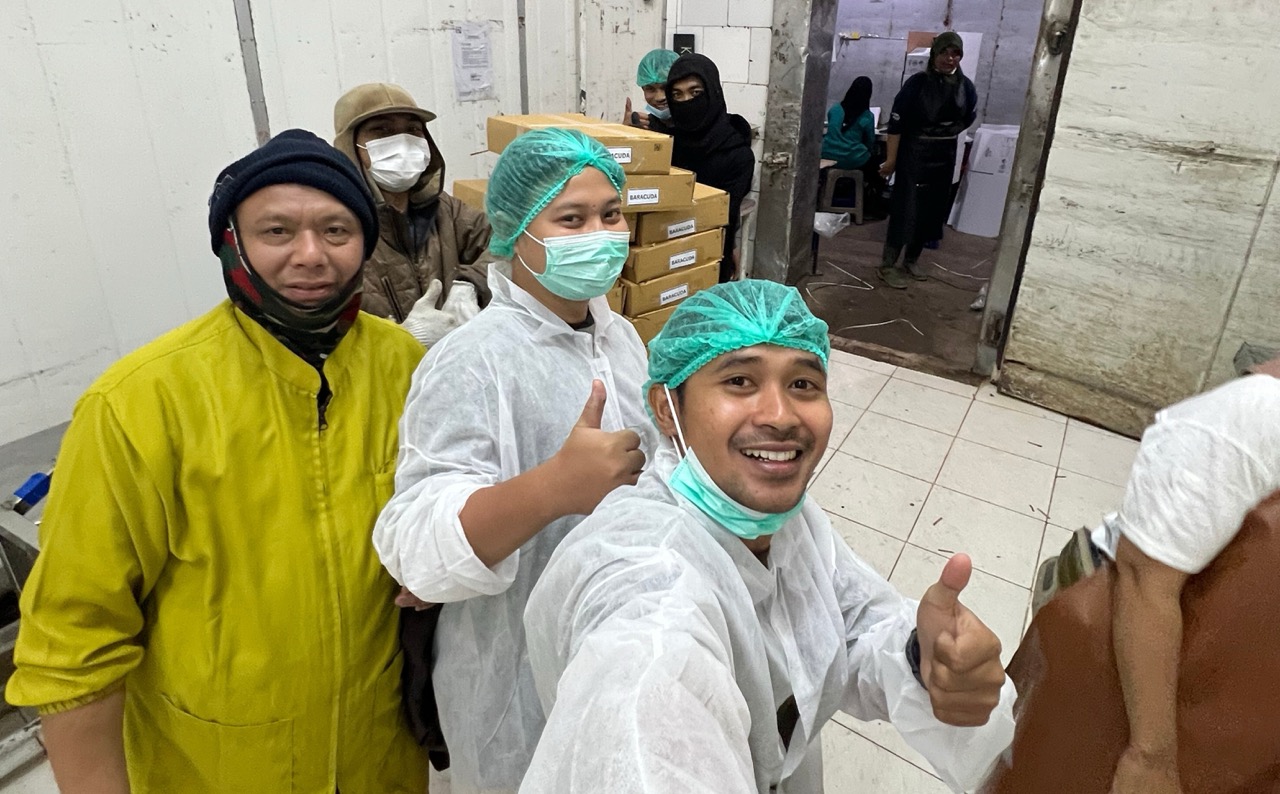
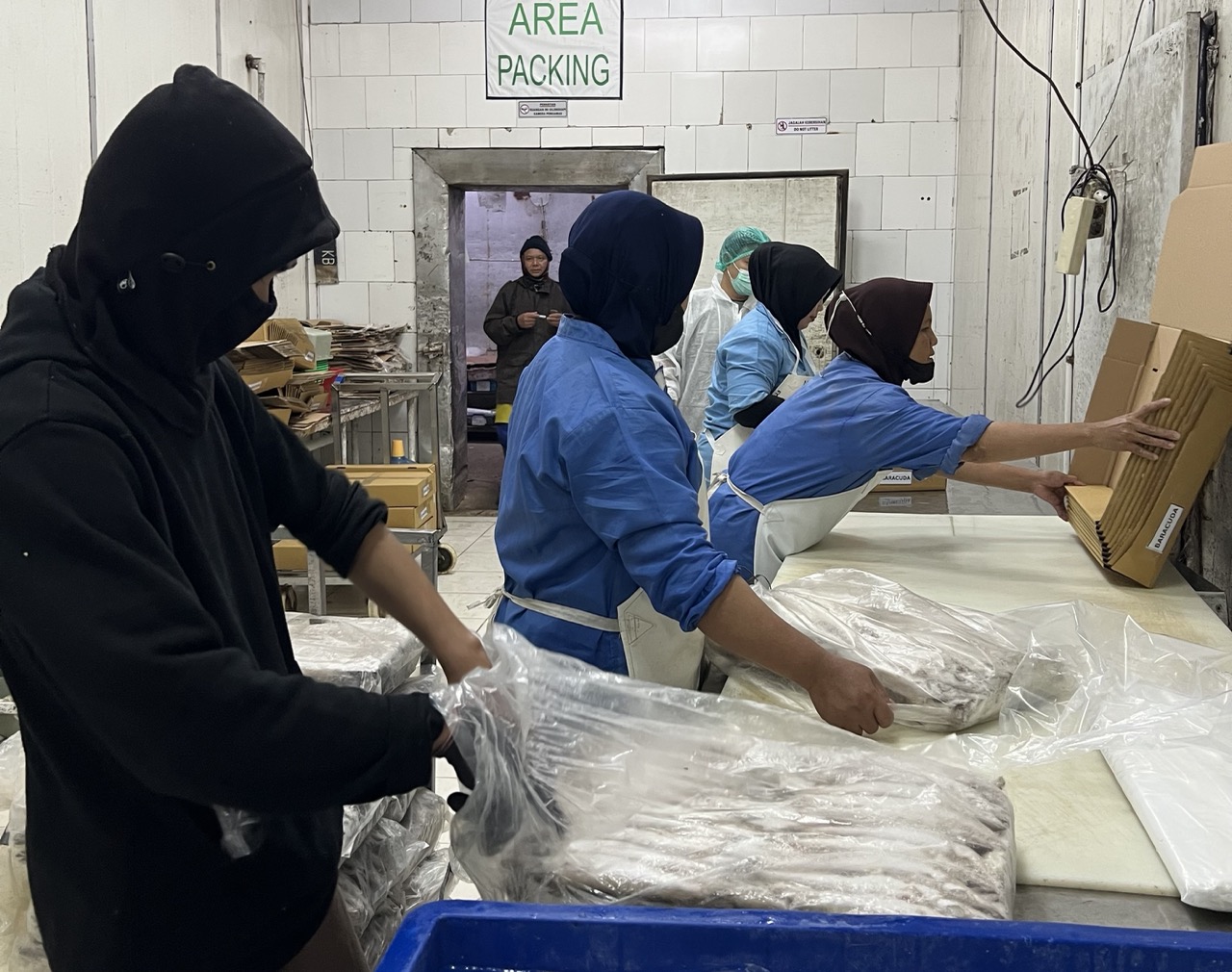
The photographs accompanying this case study document activities associated with preparing barracuda for export to Ghana. They show workers at a processing facility wearing protective clothing, handling frozen seafood, placing products into plastic packaging, arranging packaged products in cardboard cartons, labeling cartons, and preparing boxes for shipment.
These activities provide a practical view of the work involved in preparing seafood for international trade. They also highlight the importance of coordinating product handling, packaging integrity, identification, and logistics before a shipment leaves the processing facility.
For international importers, wholesalers, distributors, and seafood trading companies, these operational details matter. A product may meet the buyer's requested species and size specifications, but poor packaging, unclear labeling, or inadequate temperature management can still create problems during transportation and receiving.
This case study examines the preparation of frozen barracuda for the Ghana market, the considerations involved in export-oriented seafood processing, and the practical requirements that Indonesian suppliers need to address when serving international buyers.
The photographs illustrate the activities visible at the facility. They should not, by themselves, be interpreted as evidence of a particular freezing technology, certified food safety system, regulatory approval, shipment date, or completed delivery.
An Overview of Barracuda Export Preparation
Barracuda is a commercially traded marine fish that can be marketed in different product forms, depending on the species, fish size, processing requirements, and destination market. Frozen whole fish and processed portions may serve different customer segments, from seafood wholesalers to foodservice distributors.
For an export operation, the first step is to establish precisely what the buyer requires. The commercial name “barracuda” alone may not be sufficient to define a product specification. Species identification, size range, presentation, net weight, packaging, and destination requirements should be confirmed before processing begins.
The photographs in this case study show activities involving frozen seafood and the preparation of products for packing. They provide a visual record of handling and packaging work, but they do not independently establish the original catch location, exact barracuda species, or whether every product requirement was verified.
In a typical export workflow, product preparation may involve receiving and checking the raw material, sorting according to the agreed specification, maintaining appropriate temperature conditions, packaging the product, arranging it into cartons, checking labels, and preparing the finished boxes for dispatch.
The actual sequence and technical controls depend on the facility's documented procedures and the buyer's requirements.
Why Product Handling Matters in Seafood Processing
Frozen seafood requires careful handling because product condition can be affected by temperature changes, physical damage, contamination, and inappropriate storage.
During processing and packing, workers need to handle products in a way that protects their condition and prevents avoidable damage. Protective clothing, clean working surfaces, suitable handling equipment, and controlled product movement are common elements of hygienic seafood operations.
The photographs show workers wearing protective clothing while handling seafood. This is a useful visual detail for an export case study because it demonstrates the practical working environment in which products are handled.
However, protective clothing alone does not prove that a facility complies with every applicable hygiene requirement. A complete assessment would also consider sanitation procedures, employee hygiene practices, equipment cleaning, pest control, water quality where relevant, and documented food safety controls.
The FAO and Codex Code of Practice for Fish and Fishery Products provides internationally recognized guidance on hygienic handling, processing, storage, and transportation of fishery products.
For exporters, the broader lesson is straightforward: product handling should be controlled throughout the operation, rather than relying on a final visual inspection alone.
Plastic Packaging and Product Protection
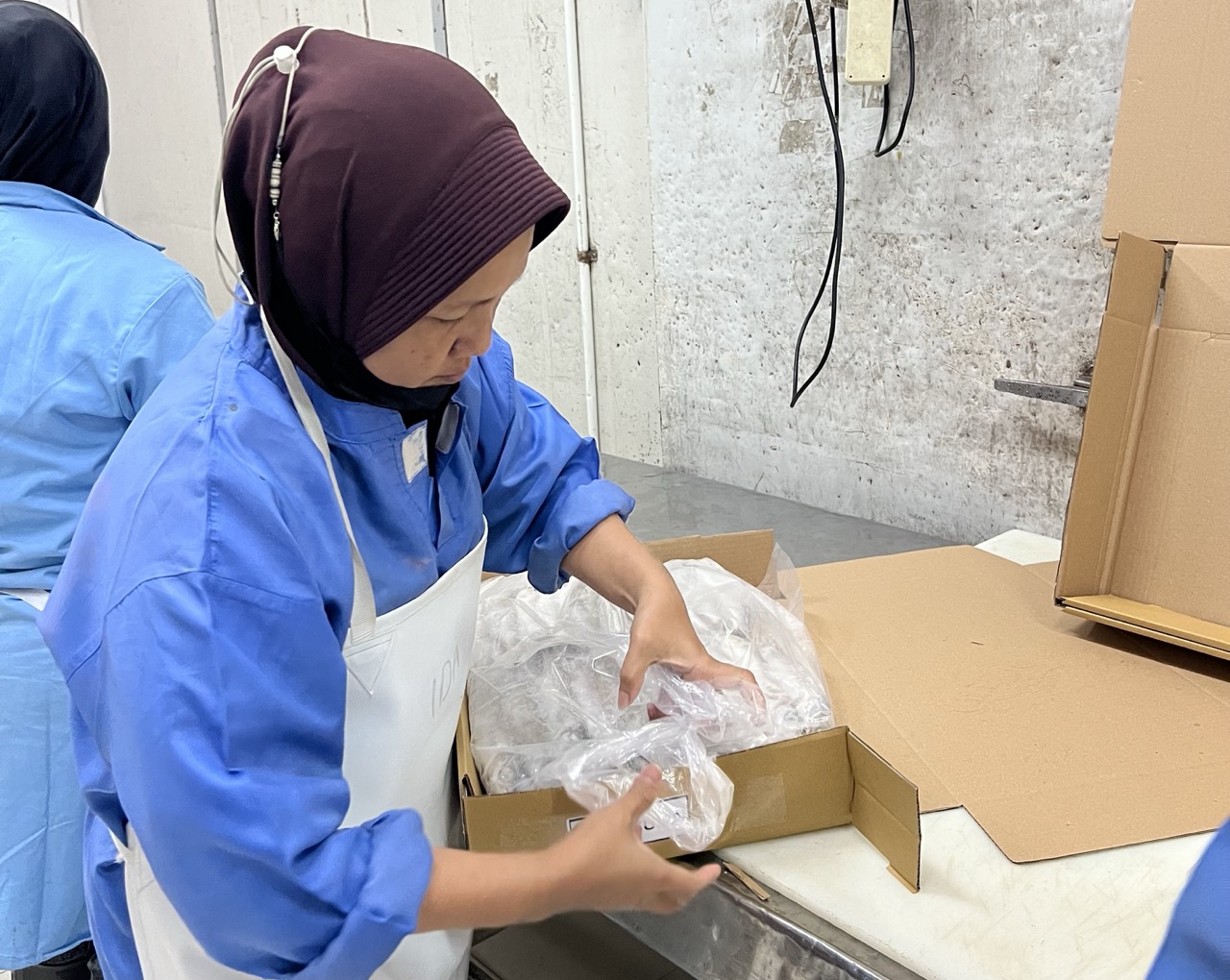
The supplied photographs show seafood being placed into plastic packaging before the products are arranged in cardboard cartons.
Plastic packaging serves an important role in protecting seafood from direct contact with the outer carton, helping maintain product separation, and supporting the agreed packing configuration. The exact function depends on the type of plastic, its food-contact suitability, the product form, and the buyer's specification.
For frozen barracuda, the packaging method should be selected according to the intended product presentation and transportation conditions. The exporter and buyer should confirm whether the product is supplied whole, cut into portions, or prepared in another form, as well as the required weight per bag or package.
Packaging integrity is especially important for international shipments. Torn bags, weak seals, unsuitable materials, or excessive movement inside the carton can create avoidable quality and handling problems.
Before packing, the supplier should confirm that the packaging materials are appropriate for the product and intended use. After packing, checks can help identify damaged bags, inconsistent quantities, or other visible defects.
The photographs establish that plastic packaging was used in the documented activities. They do not establish whether the products were vacuum-packed, individually frozen, block-frozen, or processed using a particular freezing technology.
Arranging Products in Cartons for Export
After the products are packed, cardboard cartons provide an outer layer of protection and make the shipment easier to handle, identify, stack, and transport.
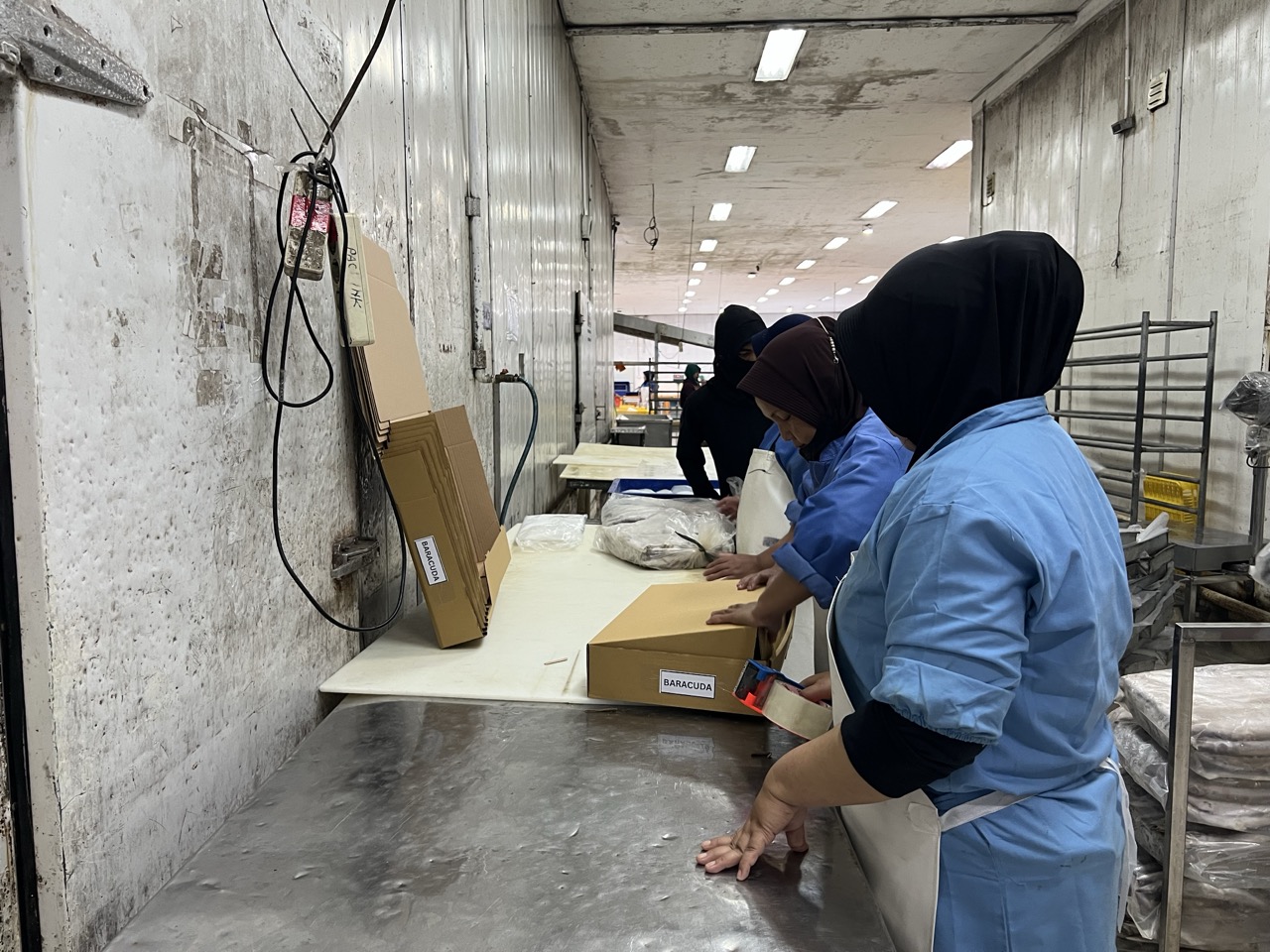
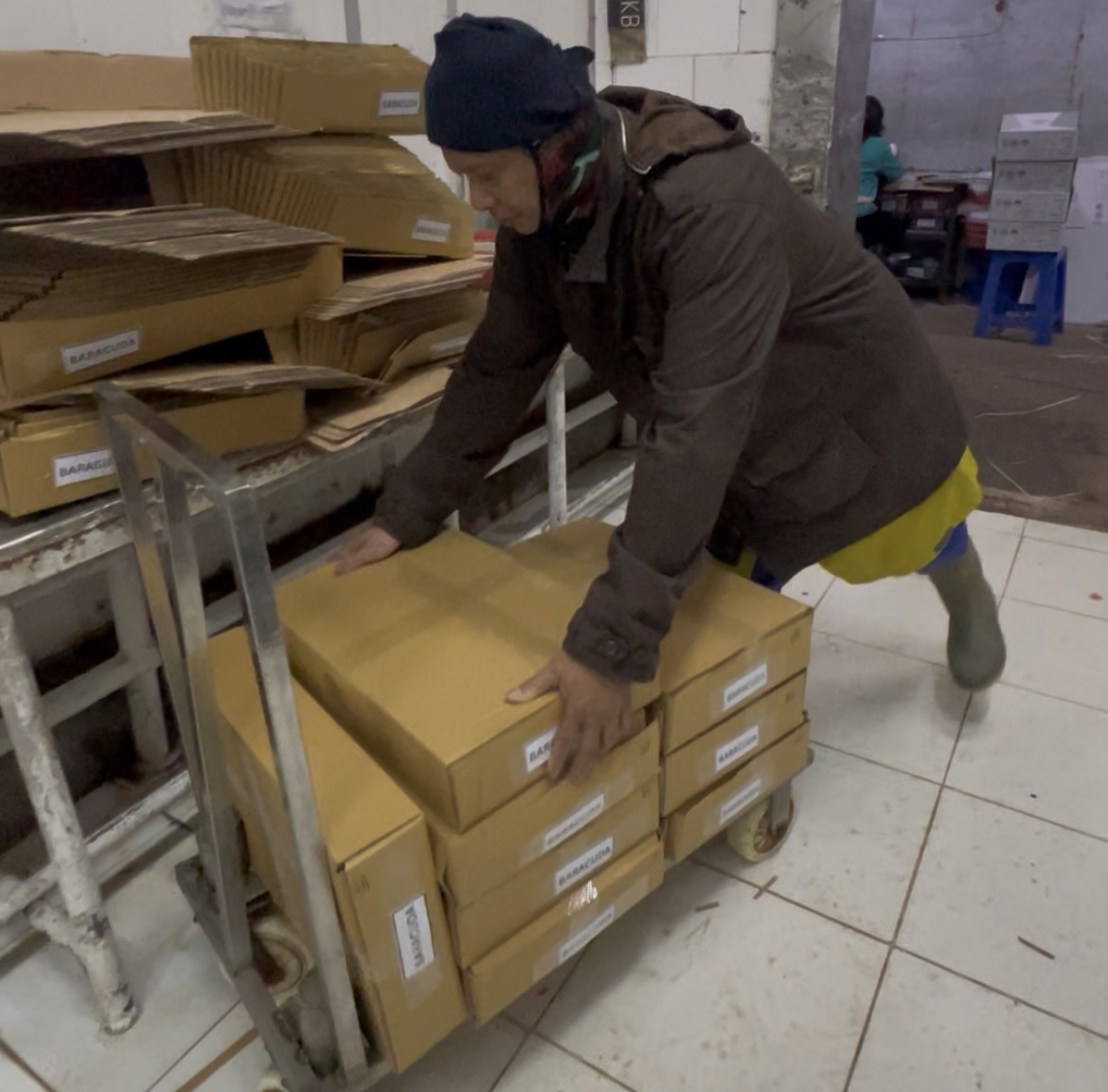
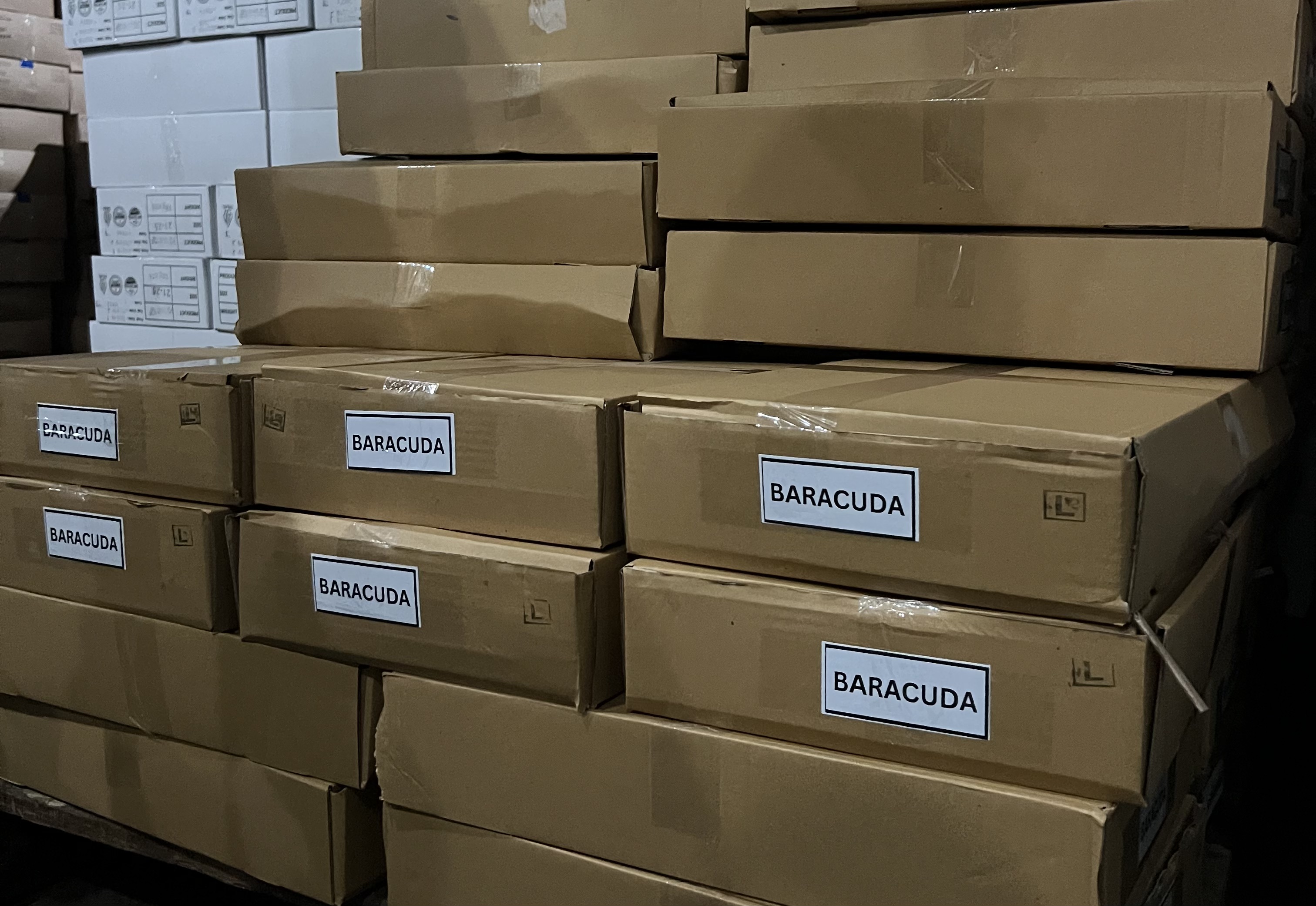
The supplied photographs show products being arranged in cardboard cartons, followed by images of labeled cartons and stacked boxes. These visuals help explain the transition from individual product packaging to export shipment preparation.
Carton specifications should be agreed before production. Important considerations include:
-
Carton dimensions and strength
-
Net weight per carton
-
Packaging configuration
-
Protection against moisture and physical damage
-
Suitability for the expected transport conditions
-
Stacking and handling requirements
-
Consistency between the packed product and the carton label
The appropriate carton depends on the product and logistics plan. A carton designed for frozen fish needs to remain suitable for the intended cold-chain conditions, while its dimensions and construction should support safe handling throughout transportation.
Exporters should also avoid overloading cartons or using a configuration that causes products to move excessively inside the package. These issues can affect product presentation and packaging integrity.
A consistent packing configuration makes it easier for the buyer to plan receiving, cold storage, inventory management, and onward distribution.
Labeling and Quality Inspection Before Shipment
Carton labeling is an important part of export readiness because it connects the physical shipment to the commercial and shipping documents.
The photographs show labeled cartons, making labeling a relevant part of this case study. However, the actual text on each label should be checked before any claim is made about its contents or compliance.
Depending on the buyer's specifications and applicable requirements, carton labels may include:
-
Product name
-
Scientific species name, where required
-
Product presentation
-
Net weight
-
Batch or lot identification
-
Production or packing information
-
Country of origin
-
Storage instructions
-
Exporter or packer details
-
Destination-specific information
Not every shipment requires every item in the same format. The final label should be confirmed against the buyer's approved specification and the importing country's rules.
The label should also match the commercial invoice, packing list, and other relevant documents. For example, inconsistent product descriptions or weights can cause delays during receiving and customs clearance.
Quality inspection before dispatch should extend beyond checking whether the cartons look orderly. Depending on the product specification, checks may include product identity, size, net weight, packaging condition, label accuracy, and the condition of the finished cartons.
Temperature records and other process documentation may also be relevant to demonstrating that the product has been handled according to the agreed requirements.
These are general export-quality practices; the photographs alone do not establish which inspections or records were completed at this facility.
Maintaining the Cold Chain for Frozen Barracuda
Temperature management is central to frozen seafood logistics. Maintaining the required frozen condition helps preserve product quality during storage and transportation.
For frozen barracuda, the agreed temperature specification should be established before shipment. Frozen seafood is commonly stored at approximately −18°C or below, subject to the product specification and applicable requirements.
A typical frozen seafood supply chain may include:
Processing facility → frozen storage → transport to port → container loading → international shipping → destination clearance → buyer's cold storage
Each stage needs to be coordinated so the product is not exposed to unsuitable conditions.
Practical controls can include maintaining appropriate storage temperatures, verifying that transport equipment is suitable for frozen cargo, minimizing unnecessary exposure during handling, and retaining relevant temperature records.
Where a refrigerated container is used, the exporter and logistics provider should confirm the operating requirements, loading arrangements, and shipping instructions. A reefer container helps manage the required cargo environment, but it cannot correct poor product handling or an unsuitable product condition before loading.
The photographs of cartons and stacked boxes help illustrate shipment preparation, but they do not prove that a particular temperature was maintained or that a shipment was loaded into a reefer container.
For international buyers, confidence in the cold chain comes from the combination of appropriate equipment, operating procedures, records, and coordination between the supplier and logistics provider.
Considerations for Exporting Frozen Barracuda to Ghana
Ghana has an established seafood import market. FAO's Ghana market profile identifies frozen mackerel and other frozen fish categories among the country's significant fish imports, providing broader context for the market in which frozen barracuda may be offered. This does not establish a specific level of demand for barracuda itself. Source: FAO GLOBEFISH, Ghana Market Profile
For an Indonesian exporter, the first commercial step is to establish the buyer's actual requirements. These may include the target species, size, product form, carton weight, packaging method, acceptable quality parameters, delivery schedule, destination port, and agreed trade terms.
The exporter should also confirm the applicable Ghanaian import requirements with the buyer and the relevant authorities before production and shipment.
Ghana's Food and Drugs Authority publishes guidelines for the importation of frozen meat, fish, shellfish, and other aquatic invertebrates. Its guidelines describe permit issuance and inspection as part of the import-control process. Source: Ghana FDA import guidelines
Ghana's Fisheries Regulations also state that imported fish must be accompanied by a health certificate signed by the competent authority in the exporting country, specifying the origin of the fish. Source: Ghana Fisheries Regulations, 2007
In addition, the Ghana Revenue Authority lists documents commonly needed for import clearance, including the bill of lading or waybill, attested invoice, packing list, Import Declaration Form, and permits required by the relevant regulatory agencies. Source: Ghana Revenue Authority
The exact requirements applicable to a particular barracuda shipment should be confirmed before dispatch. They can depend on the product, intended use, shipment details, and current regulations.
On the Indonesian side, exporters should coordinate with the relevant competent authorities regarding applicable export documentation and health certification. Indonesia's Ministry of Marine Affairs and Fisheries has published information on the health and quality certification of fishery products for export. Source: Ministry of Marine Affairs and Fisheries
Barracuda also deserves species- and origin-specific attention when evaluating food safety. Certain barracuda species have been associated with ciguatera poisoning in some tropical and subtropical waters. The risk depends on factors including species and catch location, so suppliers and buyers should verify applicable food-safety controls rather than assume that freezing eliminates toxin risk. Source: US FDA information on ciguatera
These requirements highlight why export preparation needs to combine product handling with accurate documentation and destination-specific checks.
From Processing Activities to Export Readiness
The photographs in this case study show several practical stages associated with preparing barracuda for export: workers handling seafood, plastic packaging, products arranged in cardboard cartons, labeled boxes, and stacked cartons ready for further shipment preparation.
Together, these visuals tell a useful operational story. They show how individual products move through handling and packaging activities before they become part of a shipment intended for an international market.
For buyers, however, export readiness is not determined by appearance alone. It depends on whether the product matches the agreed specification, packaging protects it adequately, labels and documents are consistent, and applicable safety and temperature requirements have been met.
For Indonesian seafood exporters, the coordination of these elements is an important part of serving international B2B customers. Clear specifications reduce ambiguity, documented checks support traceability, and careful logistics planning helps reduce avoidable problems during shipment and receiving.
Conclusion: Preparing Frozen Barracuda for International Buyers
Preparing frozen barracuda for export to Ghana involves a series of connected activities, from handling and packaging to carton arrangement, labeling, and shipment planning.
The photographs provide a behind-the-scenes view of these activities at the facility. They are useful evidence of the visible work involved, while technical claims about certification, freezing methods, temperature performance, regulatory approval, or completed delivery require separate supporting documentation.
For importers, wholesalers, distributors, and trading companies, the practical priorities remain consistent: accurate product identification, agreed specifications, appropriate packaging, reliable cold-chain management, clear labeling, and complete export documentation.
For IndoSeafoods, documenting real operational activities offers a way to explain the work behind international seafood supply without overstating what a photograph can prove. A credible case study does not need exaggerated claims; it needs clear information about the process, the requirements, and the controls that matter to buyers.
Ultimately, successful frozen barracuda export depends on aligning the product with the buyer's requirements and coordinating every stage of preparation and logistics. That approach supports more transparent business relationships and provides a sound basis for future opportunities in the Ghana market and other international seafood destinations.