Introduction: Barramundi’s Expanding Role in Global Seafood Trade
Barramundi fillets have emerged as a well-recognized product in international seafood markets as buyers search for reliable, versatile whitefish options that align with modern supply chain requirements. Once largely associated with regional consumption, barramundi is now traded across multiple continents in frozen and value-oriented formats.
The popularity of barramundi fillets is not driven by short-term trends or novelty positioning. Instead, it reflects structural buyer preferences for species that offer consistent quality, predictable supply, and broad culinary adaptability. Understanding these factors provides valuable insight into why barramundi continues to gain traction among international seafood buyers.
Image recommendation (place after introduction):
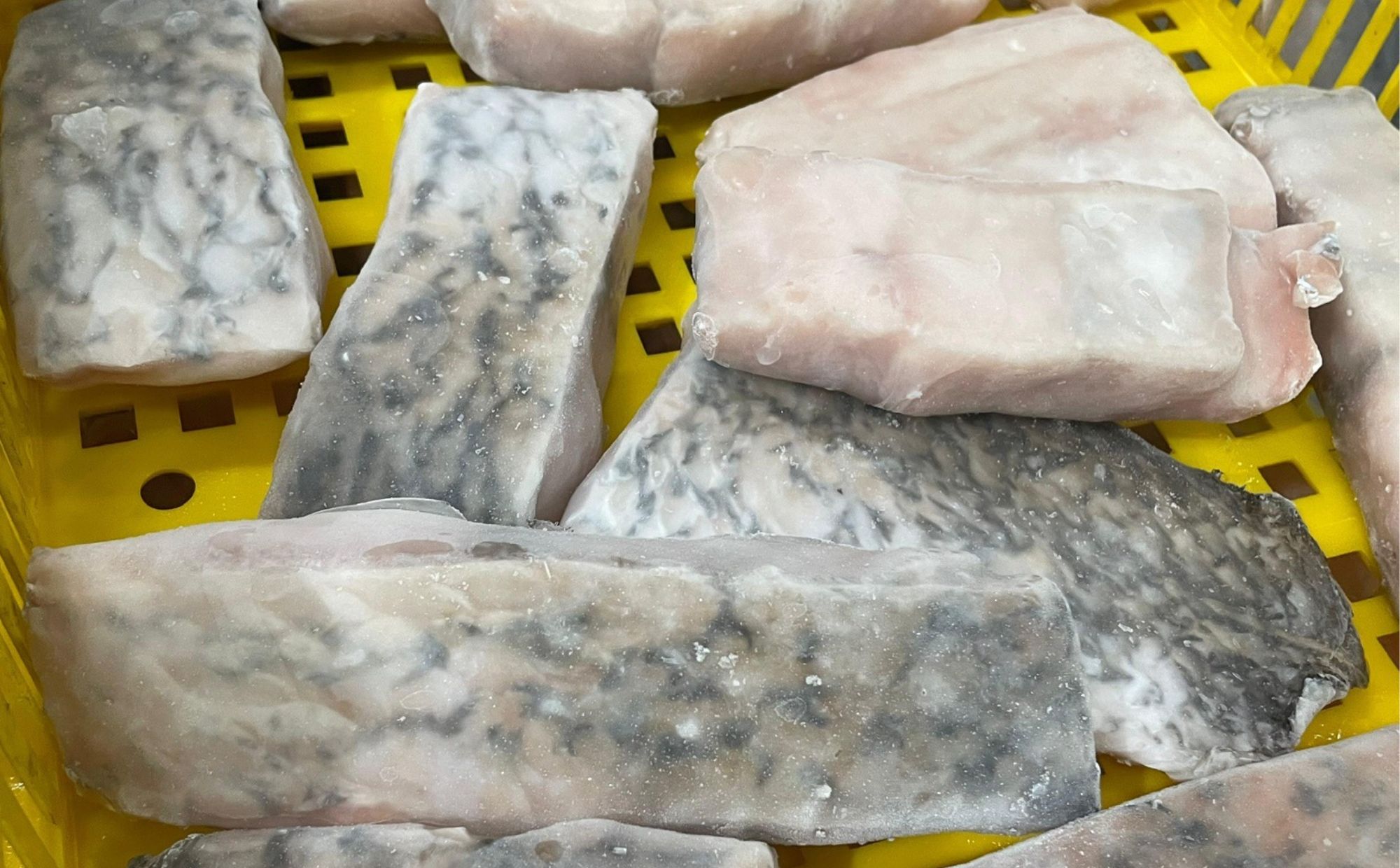
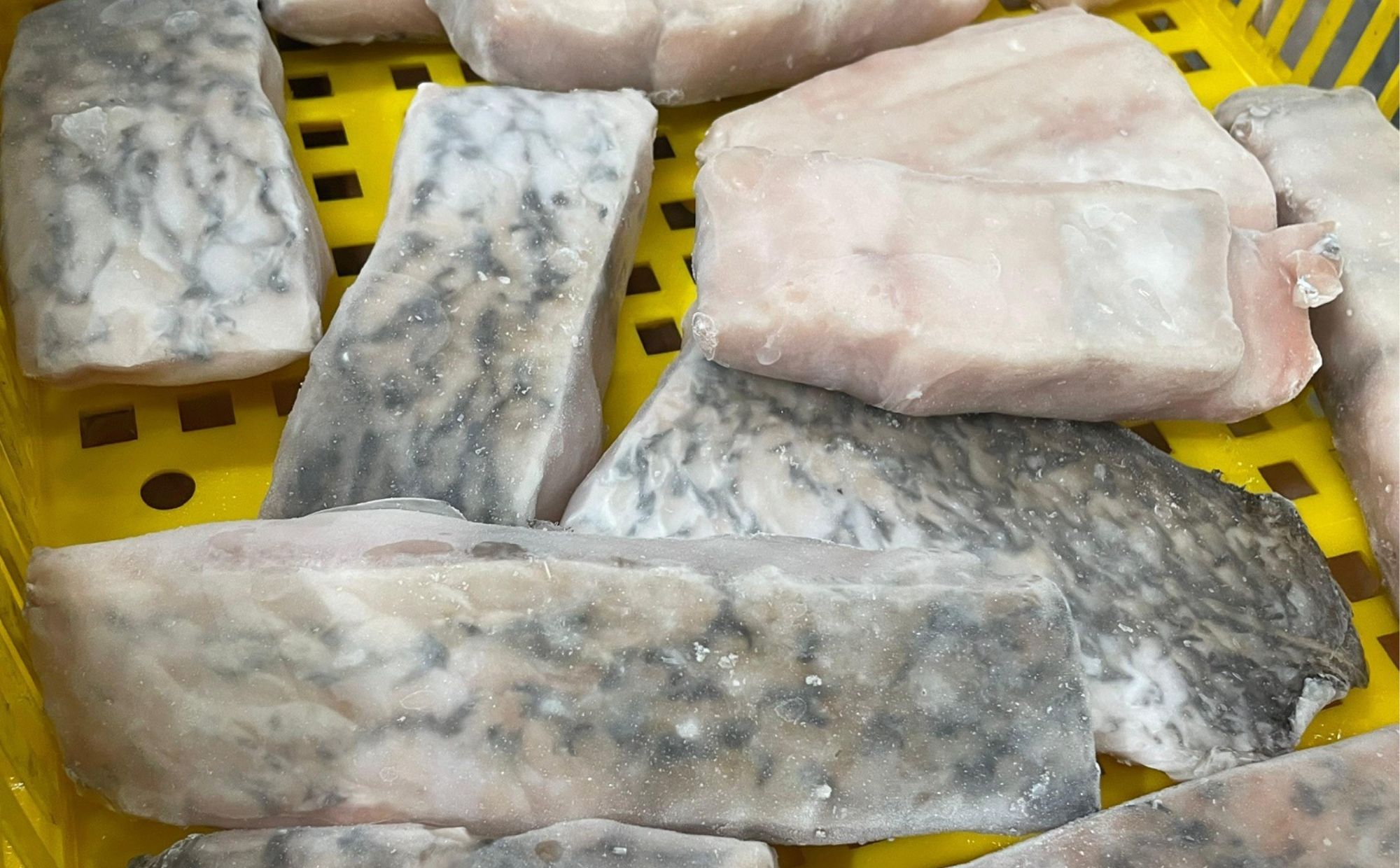
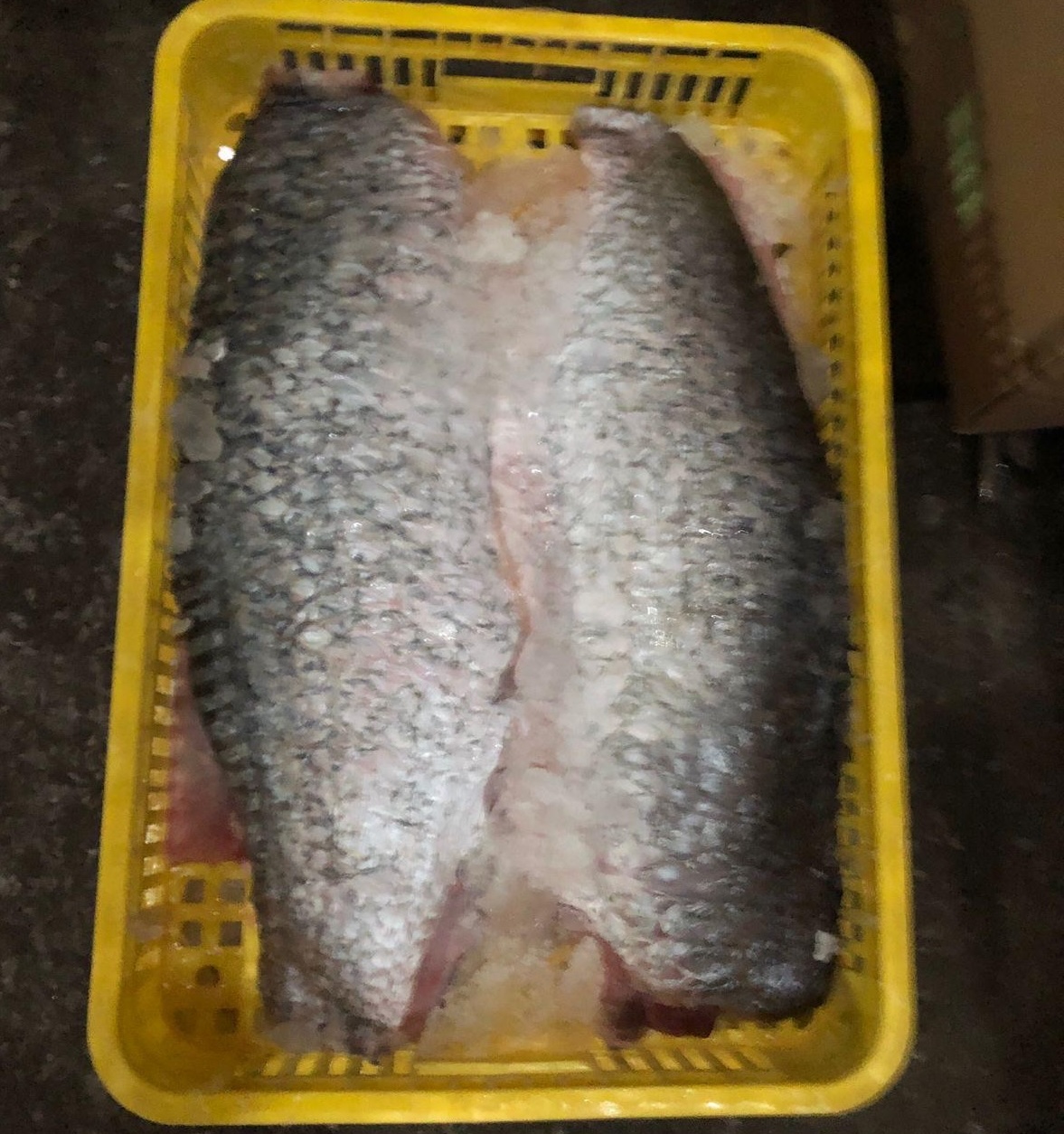
Frozen barramundi fillets packed for export and global distribution.
Biological and Product Characteristics Supporting Demand
Barramundi possesses natural characteristics that translate well into international trade.
Key product attributes include:
-
Mild, neutral flavor profile appealing to diverse consumer preferences
-
Firm yet tender flesh suitable for grilling, baking, frying, and steaming
-
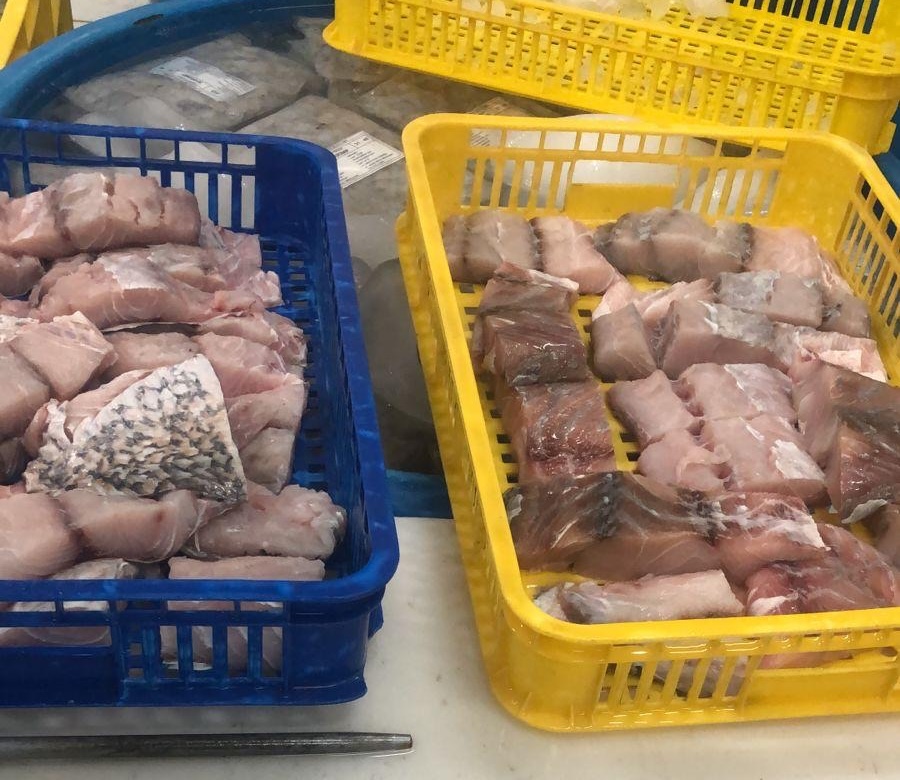
Clean fillet yield with minimal pin bones
-
Uniform muscle structure supporting portion control
These attributes allow barramundi fillets to perform consistently across retail, foodservice, and further-processing applications.
Barramundi Fillets as a Strategic Whitefish Alternative
In global markets, barramundi fillets are often evaluated alongside established whitefish species.
Buyers consider barramundi when:
-
Traditional whitefish supplies face quota or availability constraints
-
Menu or retail programs require species diversification
-
Consistent fillet sizing and texture are prioritized over species recognition
Rather than directly replacing premium wild whitefish, barramundi complements existing portfolios by offering functional similarity with improved supply predictability.
Supply Stability and Aquaculture Integration
One of the most significant advantages of barramundi fillets is supply stability.
Barramundi is predominantly produced through managed aquaculture systems, which support:
-
Planned harvest cycles
-
Predictable production volumes
-
Stable size grading across harvests
For international buyers, this production model reduces exposure to seasonal fluctuations commonly associated with wild-capture fisheries.
Processing, Freezing, and Export Compatibility
Barramundi fillets are well suited to frozen export formats.
Processing advantages include:
-
Efficient filleting and trimming yields
-
Compatibility with IQF and block-freezing methods
-
Stable texture and appearance after thawing
These characteristics support long-distance trade while maintaining product integrity upon arrival in destination markets.

Buyer Evaluation Criteria for Barramundi Fillets
International buyers typically assess barramundi fillets using the same criteria applied to other core seafood products.
Common evaluation factors include:
-
Consistency of fillet size, trim, and glazing
-
Frozen quality stability across shipments
-
Traceability and production documentation
-
Supplier track record and export experience
The species’ success in global markets is closely tied to its ability to meet standardized procurement requirements.

Applications Across Market Channels
Barramundi fillets support diverse applications across international seafood channels.
Retail
Used in frozen and chilled programs emphasizing versatility and ease of preparation.
Foodservice
Favored for menu items requiring neutral flavor and reliable cooking performance.
Further Processing
Utilized as raw material for portioning, breaded products, and ready-to-cook formats.
This multi-channel flexibility strengthens demand across varying market conditions.
Regional Demand Dynamics
Demand for barramundi fillets differs by market but demonstrates consistent expansion.
-
North America: Adoption as a whitefish alternative in retail and foodservice
-
Europe: Interest driven by consistency, traceability, and compliance readiness
-
Asia-Pacific: Familiarity with the species supports steady consumption and export use
-
Middle East: Growing demand for frozen fillets and whole fish formats
These regional dynamics highlight barramundi’s adaptability to different consumption and trade environments.
Trade, Compliance, and Documentation Considerations
As an internationally traded product, barramundi fillets must meet destination market requirements.
Buyers typically expect:
-
HACCP-based food safety systems
-
Accurate labeling and shipment documentation
-
Traceability aligned with import regulations
Strong compliance performance supports buyer confidence and long-term sourcing relationships.

Production Advantages, Market Positioning, and Supply Trends
Production Suitability and Farming Systems
Barramundi is widely viewed by international buyers as a species well suited to controlled aquaculture production. Its ability to adapt to both freshwater and marine environments enables cultivation through land-based recirculating aquaculture systems as well as responsibly managed marine cage operations. This flexibility supports traceability, production planning, and compliance requirements commonly expected in export markets.
Growth Performance and Production Stability
From a production perspective, barramundi benefits from relatively fast growth cycles and tolerance to varying environmental conditions, including changes in water temperature and salinity. These characteristics contribute to predictable harvest schedules and reduce supply volatility, making barramundi an attractive option for buyers seeking long-term sourcing stability.
Market Positioning and Consumer Acceptance
In downstream markets, barramundi is often positioned as a premium yet accessible whitefish. Its favorable composition and low mercury levels support acceptance in retail and foodservice programs without requiring niche marketing. For importers, this positioning translates into stable demand rather than dependence on short-term consumer trends.
Culinary Versatility Across Channels
Barramundi’s mild, clean flavor and firm white flesh allow it to perform consistently across a wide range of culinary applications. It is suitable for grilling, pan-searing, baking, and raw preparations, making it adaptable to both retail and foodservice environments where reliable cooking performance is essential.
Global Production Expansion and Investment
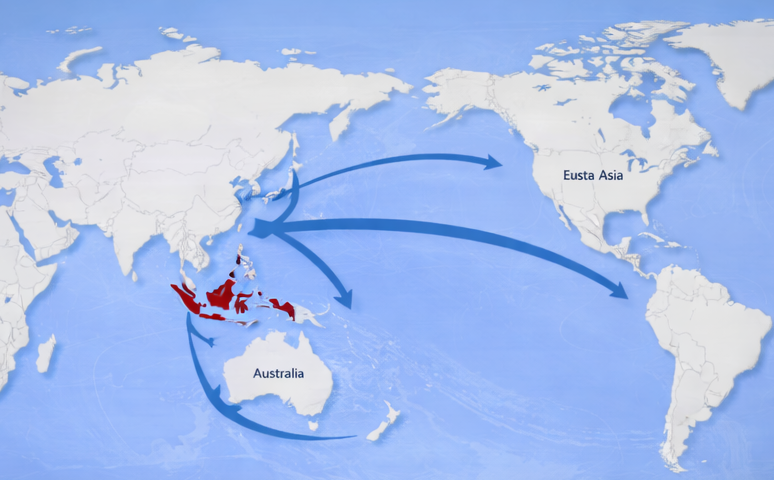
Over the past two decades, global barramundi aquaculture production has expanded steadily, supported by investment in hatchery technology, selective breeding programs, and processing automation. Production is concentrated primarily in the Indo-Pacific region, including Southeast Asia, Taiwan, and Australia, with additional capacity emerging through large-scale land-based farming projects in other regions.
Demand Growth in International Markets
Demand for barramundi fillets continues to grow across North America, Europe, Australia, and parts of the Middle East as buyers diversify whitefish portfolios and seek alternatives supported by consistent farmed supply. This growth reflects operational and supply-chain considerations rather than speculative market trends.
Conclusion: Why Barramundi Fillets Continue to Gain Global Acceptance
The popularity of barramundi fillets in international markets is rooted in practical sourcing considerations rather than branding or trend-based demand. Their favorable product characteristics, stable supply, and compatibility with frozen export logistics make them well suited to modern seafood trade requirements.
For international buyers, barramundi fillets offer a balanced whitefish solution that aligns with operational needs, supply chain planning, and evolving market expectations.